
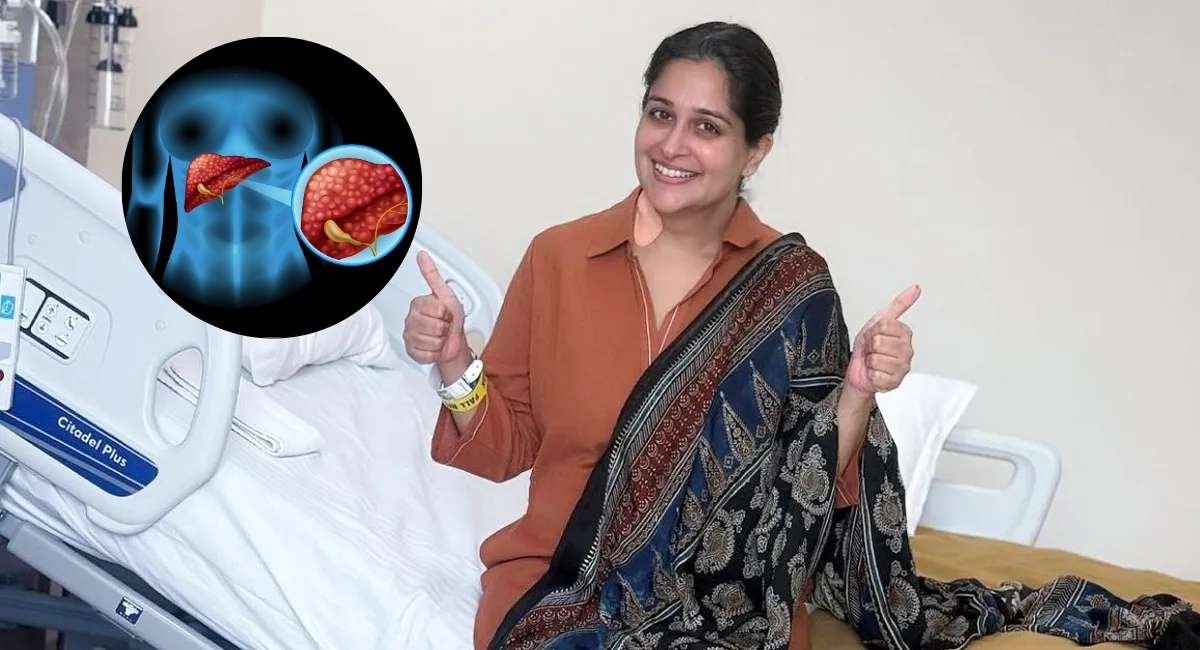
Dipika Kakar opens up about her liver cancer treatment: Reveals 22% of her liver was removed
Dipika Kakkar Health Update 2026: New Liver Cyst Detected During Recovery
In a recent development, Dipika Kakkar has been diagnosed with a small liver cyst while still recovering from her previous cancer surgery. The finding came after she experienced recurring abdominal discomfort that closely resembled symptoms from her earlier diagnosis.
Her husband, Shoaib Ibrahim, shared in a recent vlog, the discomfort initially appeared mild but intensified over a short period. Given her medical history, doctors recommended immediate clinical evaluation. A CT scan was performed, which revealed a 13 mm cyst in the liver. Fortunately, no additional alarming abnormalities were reported in the imaging results.
Considering her history of an aggressive tumour, early detection played a crucial role in guiding timely management. Medical specialists have advised a minimally invasive thermal ablation procedure rather than another extensive surgical intervention. This technique involves the controlled use of heat energy to target and eliminate abnormal tissue while preserving healthy liver structures.
She is expected to be admitted for the planned procedure under medical supervision. Early intervention significantly improves outcomes, especially in individuals with a prior oncological history.
Is the Liver Cyst Related to Her Previous Condition?
At present, it remains essential to clinically evaluate whether the newly detected cyst has any direct association with her earlier malignancy. In many cases, liver cysts are benign and may not indicate cancer recurrence. However, in patients with a prior history of aggressive tumours, careful assessment and monitoring are medically advised.
This Dipika Kakkar health update underscores the importance of follow-up imaging, symptom awareness, and timely medical consultation in post-cancer recovery phases.
Previously, Indian television actress Dipika Kakkar, beloved for her role in Sasural Simar Ka, recently opened up about a deeply personal health battle – her fight against liver cancer. During an appearance on Bharti Singh and Haarsh Limbachiyaa’s podcast, she shared that 22% of her liver (around 11 cm) was surgically removed along with a tumor.
“The best part about my case,” Dipika revealed, “was that the cancer was contained only inside the tumor and had not spread anywhere else. The doctors removed 22% of my liver along with the tumor. I am undergoing chemotherapy, but thankfully, all my reports have been coming back normal.”
Her resilience and positivity have inspired thousands across India.
Understanding Liver Cancer and Its Challenges
What Is Liver Cancer?
According to data from the Indian Council of Medical Research (ICMR), liver cancer is among the top ten cancers in Indian men and women. Late diagnosis often limits treatment options, which is why awareness and early detection are vital.
How Common Is Liver Cancer in India?
According to data from the Indian Council of Medical Research (ICMR), liver cancer is among the top ten cancers in Indian men and women. Late diagnosis often limits treatment options, which is why awareness and early detection are vital.
Dipika Kakkar’s Medical Journey
The Diagnosis and Initial Shock
When Dipika first learned about her diagnosis, she was reportedly shocked – much like anyone would be. The symptoms were subtle, and by the time her scans were completed, doctors had detected a tumor on her liver.
Surgical Removal of 22% of Her Liver
Doctors performed a partial hepatectomy, removing around 22% of her liver to eliminate the cancerous tumor. Fortunately, the tumor was localized, meaning it had not spread to nearby tissues – a positive indicator of recovery.
“The Best Part Was That My Cancer Was Contained”
Dipika said in her own words:
“The best part was that my cancer was only inside the tumor, and nowhere else in my body. The doctors removed 22% of my liver, and the tumor went with it. I’m still on chemotherapy, but the reports have been good so far.”
Her optimism reflects both her emotional strength and the remarkable regenerative ability of the human liver.
How Much of the Liver Can Be Safely Removed?
Medical Insight on Liver Resection
According to the Cleveland Clinic and MD Anderson Cancer Center, up to 70% of a healthy liver can be safely removed during surgery. The remaining portion (known as the remnant liver) has the ability to regenerate within weeks to months.
In Dipika’s case, only 22% was removed – well within the safe range – which explains why her recovery has been steady and successful.
Insights from Dr. Sukrit Singh Sethi (Liver Specialist, Narayana Hospital, Gurgaon)
“In carefully selected patients, partial hepatectomy can be curative if the tumor is well-contained,” explains Dr. Sukrit Singh Sethi, Liver Specialist at Narayana Hospital, Gurgaon.
“The liver’s regenerative capacity is extraordinary – within 4-6 weeks, the remaining tissue begins to restore lost volume and function. Regular follow-ups, nutrition, and avoiding alcohol or hepatotoxic drugs are essential for complete recovery.”
How Long Does It Take for the Liver to Regrow?
The Science of Liver Regeneration
The liver is the only human organ capable of true regeneration. Even if more than half is removed, it can regrow to its original size – though not necessarily its exact shape.
Studies from Harvard Medical School and Mount Sinai Hospital show that:
- The liver regains 60-70% of its size within 2-3 weeks.
- Full regeneration of mass and function can occur within 3-6 months.
Factors That Affect Liver Recovery
- Overall health before surgery.
- Presence of fatty liver or hepatitis.
- Nutrition and protein intake.
- Strict avoidance of alcohol or liver-toxic medications.
- Regular monitoring of liver enzymes (ALT, AST, and bilirubin levels).
Why the Liver Is Such a Vital Organ
Major Functions of the Liver
The liver performs over 500 essential functions, including:
- Detoxifying harmful substances.
- Storing vitamins and glycogen.
- Producing bile for fat digestion.
- Regulating blood clotting and immune defense.
Why Liver Health Is Essential
Without a functioning liver, digestion, metabolism, and immunity all fail. That’s why maintaining liver health – through balanced diet, hydration, and lifestyle control – is crucial during and after recovery.
Life After Liver Surgery: What Changes?
Post-Surgery Recovery and Lifestyle Adjustments
After partial hepatectomy, most patients experience fatigue and mild digestive issues initially. Doctors recommend:
- Small, frequent meals rich in lean protein.
- Complete avoidance of alcohol and smoking.
- Regular follow-ups and blood tests to monitor liver function.
- Light exercise to maintain circulation and stamina.
Emotional and Psychological Resilience
Cancer treatment is as much mental as physical. Dipika’s openness about her journey shows the power of positivity, family support, and mental strength in recovery.
The Role of Medical Experts in Recovery
Regular Checkups and Monitoring
Regular scans and blood tests (AFP levels, CT/MRI imaging) are essential for early detection of recurrence or complications.
Importance of Early Diagnosis
When liver cancer is detected early – as in Dipika’s case – surgery can be curative, and survival rates increase dramatically.
FAQs on Liver Cancer Recovery
Q1. How much of the liver can be removed safely?
Up to 70% of a healthy liver can be removed, as it regenerates rapidly if the remaining portion is healthy.
Q2. How long does it take for the liver to regrow?
The liver typically restores much of its volume within 2–3 weeks and reaches full function in 3–6 months.
Q3. Does removing part of the liver affect lifespan?
Not necessarily. If recovery is smooth and the patient maintains good lifestyle habits, life expectancy remains normal.
Q4. What are early signs of liver cancer?
Fatigue, loss of appetite, abdominal pain, yellowing of eyes (jaundice), and unexplained weight loss.
Q5. Can liver cancer be cured completely?
If detected early and confined to the liver, surgery can be curative in many cases.
Q6. How can one maintain liver health post-surgery?
- Eat balanced meals rich in vegetables and proteins.
- Avoid alcohol and processed foods.
- Stay hydrated and exercise lightly.
- Keep up with medical checkups.
Conclusion: Dipika’s Recovery Is a Symbol of Hope
Dipika Kakkar’s remarkable recovery after losing 22% of her liver showcases both the power of modern medicine and the human body’s incredible ability to heal. Her story serves as a beacon of hope for cancer patients everywhere – proving that with early diagnosis, expert care from specialists, and a positive mindset, even the toughest battles can be overcome.
Expert Liver Care and Consultation in Gurgaon
While many liver cysts are benign and manageable, individuals with a history of cancer should never ignore new abdominal symptoms. Early imaging, proper diagnosis, and specialist evaluation are essential to rule out complications or recurrence.
At Gutwell, patients receive comprehensive digestive and liver care under the guidance of Dr. Sukrit Singh Sethi, a leading gastroenterologist and liver specialist in Gurgaon. The clinic focuses on evidence-based evaluation, advanced imaging guidance, and minimally invasive treatment approaches for liver conditions.
If you or a loved one are experiencing persistent abdominal discomfort, unexplained pain, or have a prior history of liver disease, timely consultation can make a significant difference.
Book a consultation at Gutwell for expert gastroenterology and liver care in Gurgaon.
Disclaimer
This article is for awareness purposes only and should not be considered medical advice; please consult your doctor for personalized guidance