
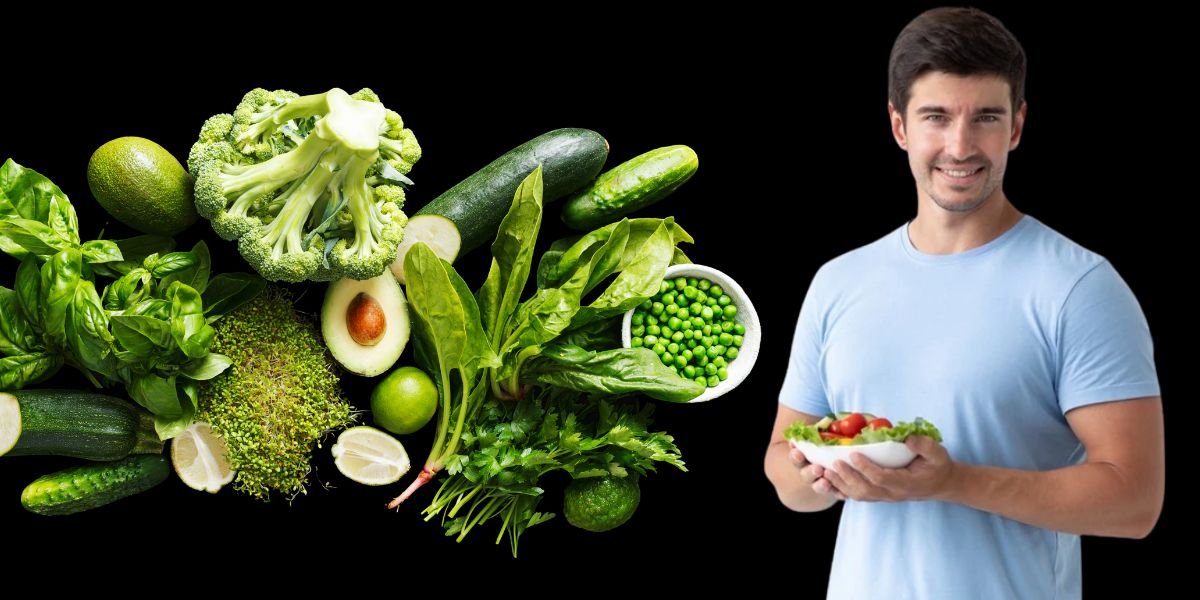
Best Protein Sources and Intakes for Vegetarians
For many individuals struggling with weight gain, obesity, or poor muscle tone, protein intake is often inadequate-especially in vegetarian diets. Choosing the right Protein Sources for Vegetarians is essential for supporting metabolism, preserving muscle mass, and improving overall health.
10 Best Protein Sources for Vegetarians
Here are some of the most effective and nutritious Protein Sources for Vegetarians, along with why they matter for muscle health, metabolism, and sustainable Weight Loss:
- Lentils (Dal varieties – Masoor, Moong, Toor)
Lentils provide around 7-9 grams of protein per 100 grams (cooked). They are also rich in fiber, which improves digestion, stabilizes blood sugar, and enhances fullness-making them ideal for individuals managing weight gain. - Chickpeas (Chole)
Chickpeas contain about 8-9 grams of protein per 100 grams (cooked). They support satiety and provide iron and magnesium, nutrients important for energy production and metabolic balance. - Kidney Beans (Rajma)
Rajma is a powerful plant-based protein with high fiber content. It helps slow digestion, control appetite, and maintain steady glucose levels, which supports fat loss goals. - Soybeans
Among the richest Protein Sources for Vegetarians, soybeans offer complete protein with all essential amino acids. They are particularly beneficial for muscle preservation during Weight Loss. - Tofu
Made from soy, tofu provides approximately 8 grams of protein per 100 grams. It is low in calories and versatile, making it a practical addition to calorie-controlled meal plans. - Paneer (Cottage Cheese)
Paneer is rich in casein protein, which digests slowly and keeps you full longer. It also supplies calcium for bone health, important during weight reduction programs. - Greek Yogurt (Hung Curd)
Greek yogurt contains nearly double the protein of regular curd. It supports gut health through probiotics and improves satiety, helping reduce unnecessary snacking. - Quinoa
Quinoa is a rare plant-based complete protein. It provides fiber, magnesium, and antioxidants, making it ideal for balanced vegetarian meals focused on metabolic health. - Nuts and Seeds (Almonds, Chia Seeds, Pumpkin Seeds)
Though calorie-dense, nuts and seeds are a primary source of good fats and can support protein intake. They also provide essential micronutrients and fiber. When consumed in controlled portions, they help improve satiety, support hunger management, and enhance overall nutrient density in a balanced Weight Loss plan. - Sprouts (Moong or Mixed Sprouts)
Sprouting enhances protein digestibility and nutrient absorption. Sprouts are light, easy to digest, and ideal for improving gut health while supporting Weight Loss.
These well-balanced Protein Sources for Vegetarians not only help meet daily protein requirements but also improve satiety, metabolic function, and overall nutritional quality-especially important for those addressing obesity or body composition concerns.
Understanding Protein Quality: Digestibility Scores
Not all proteins are absorbed and utilised by the body in the same way. Scientists measure protein quality using digestibility scoring systems such as Protein Digestibility Corrected Amino Acid Score (PDCAAS) and Digestible Indispensable Amino Acid Score (DIAAS).
These scoring systems evaluate protein based on
- How easily it is digested
- Whether it contains all essential amino acids
- How efficiently the body can use those amino acids
Animal based proteins like eggs and dairy usually have higher digestibility scores because they contain complete amino acid profiles and are easily absorbed. Among vegetarian foods, soy, dairy, and quinoa rank higher in protein quality.
Most plant based proteins such as lentils, beans, and grains may lack one or more essential amino acids or may be slightly less digestible due to natural plant compounds. However, combining different vegetarian protein sources such as dal with rice, rajma with rice, curd with rice,khichdi made with lentils and rice, or idli with sambar improves overall amino acid availability and helps meet protein needs effectively.
This is why dietary variety is especially important in vegetarian nutrition and weight management planning.
Why You Shouldn’t Stick to Just One Protein Source
Relying on a single protein source can limit essential amino acid intake. Most plant-based proteins are incomplete, meaning they lack one or more essential amino acids. Combining different Protein Sources for Vegetarians-such as lentils with rice or hummus with whole-grain roti-creates a complete amino acid profile.
Diet diversity also improves gut microbiome balance, which plays a key role in metabolism and Weight Loss. Individuals with obesity often benefit from rotating various protein sources rather than consuming only paneer or soy daily.
How to Balance Protein Intake Throughout the Day?
For effective Weight Loss and muscle preservation, protein distribution matters as much as total intake. Experts suggest 1.2-1.6 grams of protein per kilogram of body weight for individuals aiming for fat loss.
Here’s how to spread Protein Sources for Vegetarians across the day:
- Breakfast: Greek yogurt with chia seeds or oats with nuts
- Lunch: Dal, rajma, or chickpeas with brown rice
- Evening Snack: Roasted peanuts or sprouts salad
- Dinner: Tofu, paneer, or quinoa with vegetables
Balanced protein intake helps control hunger hormones, reduces cravings, and supports lean muscle mass. This structured approach is especially helpful when you Start your Weight loss Journeyl, as expert guidance ensures portion control and proper nutrient balance.
Common Myths About Vegetarian Protein
Myth 1: Vegetarian diets don’t provide enough protein.
With proper planning, Protein Sources for Vegetarians can easily meet daily requirements.
Myth 2: Only animal protein builds muscle.
Plant-based proteins, when combined correctly, support muscle repair and growth effectively.
Myth 3: Protein supplements are mandatory.
Whole-food Protein Sources for Vegetarians are sufficient for most individuals unless clinically advised otherwise.
Myth 4: More protein equals faster Weight Loss.
Excess protein can add calories. Balance and medical guidance are key.
Conclusion
Selecting the right Protein Sources for Vegetarians is crucial for individuals dealing with weight gain or obesity. Adequate protein improves satiety, boosts metabolism, preserves muscle, and supports long-term Weight Loss.
Instead of restrictive dieting, focus on variety, balance, and portion control. With personalized nutrition planning and gut-focused guidance, sustainable results become achievable.