
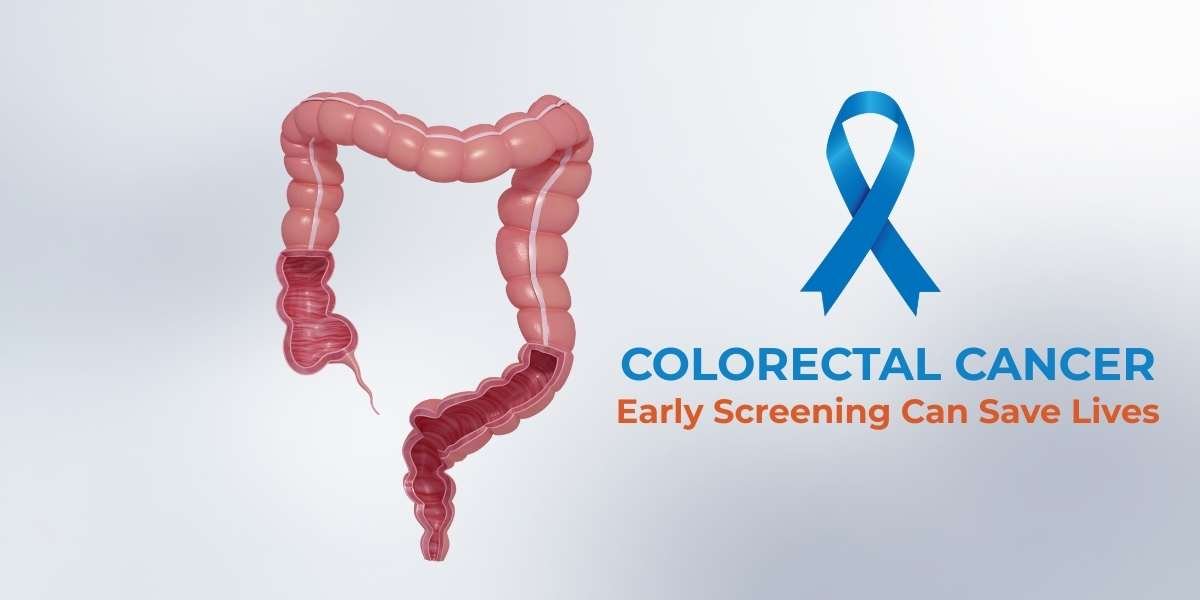
Colorectal Cancer Awareness Month: Early Screening Can Save Lives
Every year, Colorectal Cancer Awareness Month reminds us of an important message: many colorectal cancer cases can be prevented or treated successfully when detected early. For adults above 40, especially those experiencing digestive symptoms or with a family history of gastrointestinal disease, awareness about colorectal cancer screening can make a life-saving difference.
Recent studies show that the burden of colorectal cancer is steadily rising in India. According to GLOBOCAN 2022 data, colorectal cancer is now among the top five most common cancers in India, with around 64,800 new cases and over 38,000 deaths reported in 2022 alone.
Experts also note that increasing urbanization, sedentary lifestyles, and dietary changes are contributing to the growing number of cases across the country.
Colorectal cancer often develops silently, without obvious warning signs in its early stages. By the time symptoms become noticeable, the disease may already have progressed. This is why doctors worldwide emphasize regular screening, particularly through colonoscopy screening, which remains the most effective method for identifying precancerous growths before they become dangerous.
According to Dr. Sukrit Singh Sethi, MBBS; MD (General Medicine); DM (Gastroenterology), “One of the biggest challenges with colorectal cancer is that patients may feel completely normal in the early stages. Timely screening allows us to detect abnormal changes before cancer develops or when it is still highly treatable.”
What is Colorectal Cancer?
Colorectal cancer refers to cancer that begins either in the colon (large intestine) or the rectum, the final portion of the digestive tract. Though often discussed together, colon cancer and rectal cancer differ based on where the abnormal cells start.
Population-based cancer registry data from the Indian Council of Medical Research (ICMR) shows that the age-adjusted incidence rate of colon cancer in India is approximately 4-5 cases per 100,000 people, with slightly higher rates seen in urban populations.
Although the incidence is lower than in Western countries, experts warn that the numbers are increasing steadily in India, particularly in metropolitan cities.
In most cases, colorectal cancer begins as small growths called polyps inside the lining of the colon. These polyps are usually non-cancerous initially, but some may gradually transform into cancer over several years. This slow progression is exactly why colon cancer early detection is so powerful-finding and removing polyps early can stop cancer before it starts.
The disease may remain unnoticed for years because early colorectal cancer often does not cause pain or obvious digestive issues. This makes routine screening essential even for people who feel healthy.
Common Symptoms of Colorectal Cancer
While early stages may not show symptoms, certain warning signs should never be ignored. Some of the most common colorectal cancer symptoms include:
Blood in stool is one of the most important warning signs. Many people assume bleeding is caused only by piles, but persistent or unexplained bleeding requires medical evaluation because blood in stool causes can range from hemorrhoids to serious intestinal disease, including cancer.
A persistent change in bowel habits is another symptom. This may include ongoing constipation, diarrhea, or alternating bowel patterns lasting for several weeks.
Unexplained weight loss without dietary changes can also signal an underlying gastrointestinal problem.
Abdominal discomfort, cramping, bloating, or persistent lower abdominal pain should be evaluated, especially when symptoms continue for weeks.
Fatigue or weakness may develop because slow bleeding from the colon can lead to anemia.
Dr. Sukrit Singh Sethi explains, “Patients often delay consultation because symptoms like constipation or occasional bleeding seem minor. However, when these symptoms persist, they should always be investigated properly.”
Why Early Screening is Important
The greatest advantage of colorectal cancer screening is that it can detect disease before symptoms even begin. Early-stage colorectal cancer has a much higher treatment success rate compared with advanced-stage disease.
Another concern in India is delayed diagnosis. Studies suggest that a large proportion of colorectal cancer patients in India are diagnosed at advanced stages, which significantly reduces survival rates compared with countries where routine screening is common.
This highlights why increasing awareness about colorectal cancer screening and colonoscopy is crucial for improving outcomes.
Screening does not only detect cancer-it can also prevent it. During screening, doctors often identify and remove polyps before they become cancerous. This makes colorectal cancer one of the few cancers that can actually be prevented through timely screening.
When colorectal cancer is diagnosed early, treatment is often less invasive and outcomes are significantly better. Delayed diagnosis may require surgery, chemotherapy, or more complex treatment.
Dr. Sukrit Singh Sethi says, “The goal of screening is not just to find cancer but to stop it before it develops. Colonoscopy gives us that opportunity by identifying precancerous polyps early.”
Screening Tests for Colorectal Cancer
Colonoscopy: The Gold Standard Screening Test
Among all available tests, colonoscopy screening remains the most reliable and comprehensive method.
A colonoscopy involves inserting a thin flexible tube with a camera into the colon to examine the intestinal lining in detail. The procedure allows the gastroenterologist to directly identify inflammation, bleeding points, polyps, or suspicious growths.
The biggest advantage of colonoscopy is that polyps can be removed during the same procedure, preventing future cancer development.
Doctors generally recommend starting screening at age 45, though people with family history or risk factors may need screening earlier.
Colonoscopy is considered the gold standard because it examines the entire colon and provides both diagnosis and treatment in one session.
Other Screening Tests
There are also alternative screening methods available.
Stool-based tests can detect hidden blood or abnormal DNA markers associated with colorectal cancer. These are non-invasive but less comprehensive than colonoscopy.
CT colonography uses advanced imaging to visualize the colon, but abnormal findings still require a colonoscopy for confirmation.
Flexible sigmoidoscopy examines only the lower part of the colon and may miss abnormalities higher up.
While these tests can help in selected cases, colonoscopy remains the most complete option for colon cancer early detection.
Who Should Get Screened?
Certain individuals carry a higher risk and should prioritize screening.
Adults aged 45 years and above should undergo routine colorectal cancer screening, even without symptoms.
Research also indicates that a significant proportion of colorectal cancer cases in India occur in individuals younger than 50, emphasizing the importance of paying attention to digestive symptoms even in relatively younger adults.
People with a family history of colon cancer or colon polyps need earlier and more frequent screening.
Patients with inflammatory bowel diseases such as ulcerative colitis or Crohn’s disease also carry increased risk because long-term inflammation can lead to cancerous changes.
Lifestyle factors such as obesity, smoking, excessive alcohol intake, and low-fiber diets also increase colon cancer risk factors.
Individuals experiencing persistent digestive symptoms should not wait for routine age-based screening-they should seek evaluation sooner.
How to Reduce the Risk of Colorectal Cancer
Although not all cases are preventable, several lifestyle measures support colorectal cancer prevention.
A high-fiber diet rich in fruits, vegetables, whole grains, and legumes supports healthy bowel function and reduces colon exposure to harmful substances.
Regular exercise helps maintain intestinal motility and reduces obesity-related risk.
Avoiding smoking is essential because tobacco increases many gastrointestinal cancer risks.
Alcohol intake should be limited, as heavy consumption has been linked to colorectal cancer.
Maintaining a healthy body weight reduces metabolic and inflammatory factors associated with cancer development.
Most importantly, regular screening remains the strongest preventive step because it detects polyps before they progress.
Expert Advice from Dr. Sukrit Singh Sethi
During Colorectal Cancer Awareness Month, Dr. Sukrit Singh Sethi emphasizes that awareness must translate into action.
He advises, “Many people wait for severe symptoms before consulting a specialist, but colorectal cancer often develops quietly. If you are above 45, have blood in stool, persistent bowel changes, or family history, screening should not be delayed.”
He further adds, “A simple colonoscopy at the right time can prevent major disease later. Early diagnosis saves lives.”
Conclusion
The message of Colorectal Cancer Awareness Month is simple but powerful: early screening saves lives. Many colorectal cancers begin silently, and waiting for symptoms may delay diagnosis.
Routine colorectal cancer screening, especially through colonoscopy screening, offers the best chance to detect precancerous changes early and prevent serious disease. If you notice colorectal cancer symptoms, including blood in stool causes, unexplained bowel changes, or abdominal discomfort, timely consultation with a gastroenterologist is essential.
Taking action early today can protect long-term health tomorrow.