
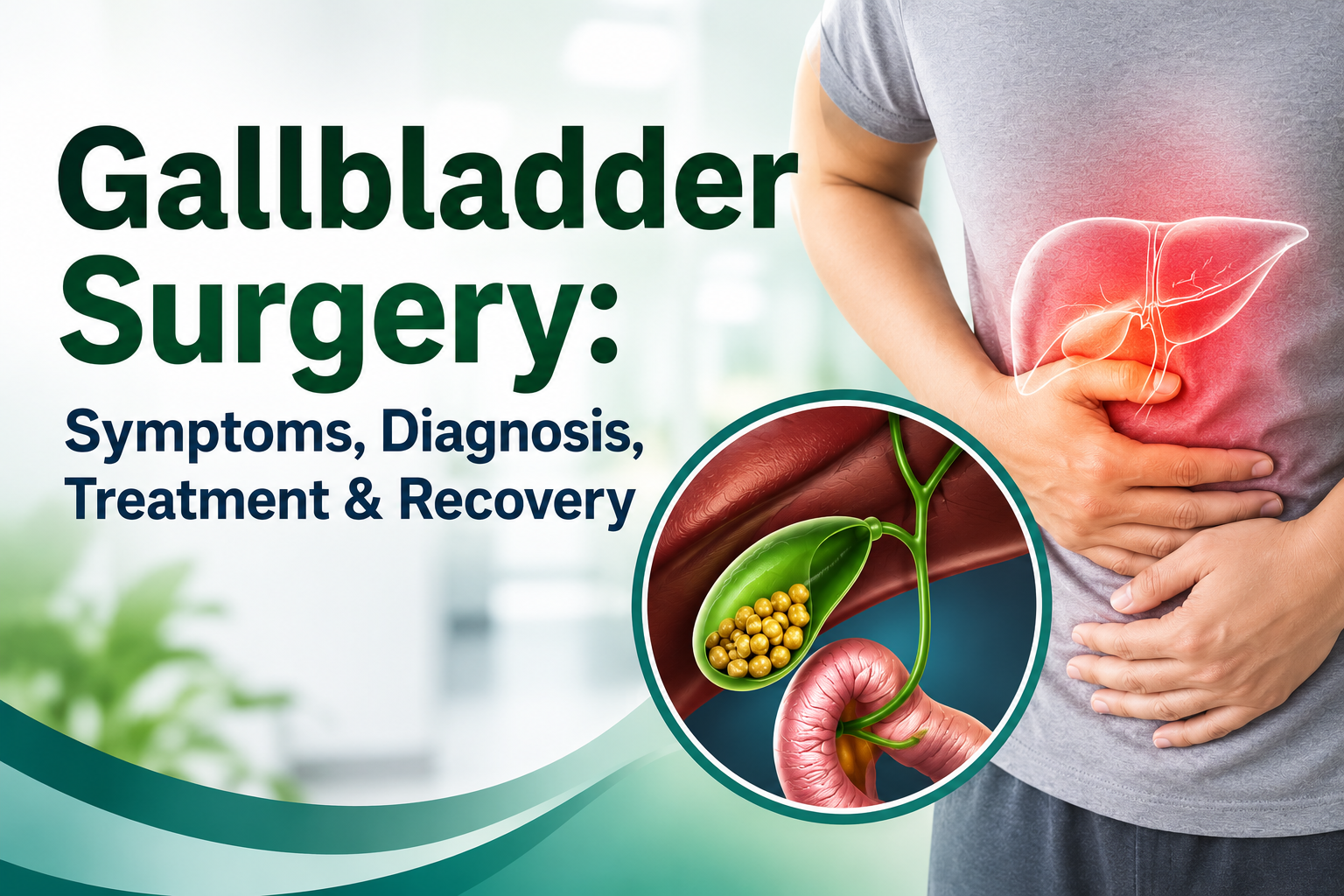
Gallbladder Surgery: Symptoms, Diagnosis, Treatment & Recovery
Gallbladder problems are more common than many people realize. While some people experience only mild discomfort after eating, others develop severe pain that requires immediate medical attention. When gallstones or gallbladder disease begin affecting your daily life, gallbladder surgery is often the safest and most effective treatment.
At Gutwell, we help patients understand their condition and guide them through every step of treatment-from diagnosis to recovery. If you are considering gallbladder surgery in Gurgaon, this guide explains the symptoms, causes, diagnosis, treatment options, recovery process, and frequently asked questions.
What Is the Gallbladder?
The gallbladder is a small pear-shaped organ located beneath the liver. Its primary function is to store bile, a digestive fluid produced by the liver that helps break down fats.
Although the gallbladder supports digestion, it is not an essential organ. After removal, bile flows directly from the liver into the small intestine, allowing most people to live completely normal lives.
What Is Gallbladder Surgery?
Gallbladder surgery, medically known as cholecystectomy, is a procedure performed to remove the gallbladder. It is one of the most commonly performed abdominal surgeries worldwide.
Doctors usually recommend surgery when gallstones or inflammation cause repeated pain, infection, or complications.
The two main surgical approaches include:
- Laparoscopic Gallbladder Surgery (Minimally Invasive)
- Open Gallbladder Surgery
Today, laparoscopic surgery is considered the preferred option for most patients because it offers smaller incisions, less pain, and faster recovery.
Common Symptoms That May Indicate Gallbladder Disease
Gallbladder problems often begin gradually. However, symptoms can become severe if left untreated.
Common symptoms include:
- Sudden pain in the upper right abdomen
- Pain after eating oily or fatty foods
- Pain spreading to the back or right shoulder
- Nausea and vomiting
- Indigestion and bloating
- Fever (when infection develops)
- Jaundice (yellowing of the skin and eyes)
- Dark-colored urine
- Clay-colored stools
If abdominal pain lasts longer than a few hours or is accompanied by fever or jaundice, immediate medical evaluation is recommended.
What Causes Gallbladder Problems?
Several conditions can affect the gallbladder.
Gallstones
Gallstones are hardened deposits of cholesterol or bile pigments that form inside the gallbladder.
They may block bile flow, causing pain and inflammation.
Cholecystitis
This is inflammation of the gallbladder, usually caused by gallstones blocking the bile duct.
Gallbladder Polyps
Most are harmless, but larger polyps may require surgical removal due to the risk of cancer.
Bile Duct Blockage
Stones can sometimes move into the bile duct, causing serious complications.
Gallbladder Infection
Untreated inflammation may lead to bacterial infection requiring urgent treatment.
Who Is More Likely to Develop Gallstones?
Several factors increase the risk:
- Women
- Age above 40 years
- Obesity
- Rapid weight loss
- High-fat diet
- Diabetes
- Family history
- Pregnancy
- High cholesterol
However, gallstones can develop in younger adults as well.
How Is Gallbladder Disease Diagnosed?
Doctors usually begin with a physical examination followed by imaging tests.
Common investigations include:
Ultrasound
The first and most accurate test for detecting gallstones.
Blood Tests
These help identify infection, inflammation, liver function abnormalities, or bile duct blockage.
CT Scan
Used when complications are suspected.
MRI (MRCP)
Provides detailed images of the bile ducts.
HIDA Scan
Evaluates how well the gallbladder functions.
When Is Gallbladder Surgery Needed?
Not every gallstone requires surgery.
Doctors generally recommend gallbladder surgery if patients experience:
- Recurrent gallstone attacks
- Severe abdominal pain
- Gallbladder infection
- Blocked bile duct
- Pancreatitis caused by gallstones
- Large gallbladder polyps
- Reduced gallbladder function
Repeated attacks often become more painful over time, making early treatment a better option.
Types of Gallbladder Surgery
Laparoscopic Gallbladder Surgery
This minimally invasive procedure involves making 3–4 small incisions through which a camera and surgical instruments are inserted.
Advantages
- Smaller scars
- Less pain
- Short hospital stay
- Faster recovery
- Lower infection risk
- Earlier return to work
Most patients undergoing gallbladder surgery in Gurgaon today are treated using this technique.
Open Gallbladder Surgery
Open surgery involves a larger incision and may be necessary when:
- Severe infection is present
- Previous surgeries have caused scar tissue
- Complicated anatomy exists
- Cancer is suspected
Recovery usually takes longer than laparoscopic surgery.
What Happens During Gallbladder Surgery?
The procedure generally involves:
- Administration of general anesthesia
- Creation of small incisions
- Insertion of a laparoscopic camera
- Careful removal of the gallbladder
- Closure of the incisions
The operation usually takes 45-90 minutes, depending on the complexity.
Recovery After Gallbladder Surgery
Recovery varies from person to person.
After Laparoscopic Surgery
- Walking begins within a few hours
- Hospital discharge often occurs within 24 hours
- Normal activities resume in about one week
- Heavy exercise should be avoided for several weeks
After Open Surgery
- Hospital stay is usually longer
- Full recovery may take several weeks
Your surgeon will provide personalized recovery instructions based on your overall health and the type of procedure performed.
Diet After Gallbladder Surgery
The digestive system needs time to adjust after surgery.
Initially, doctors recommend:
- Soft foods
- Plenty of fluids
- Low-fat meals
- Smaller, more frequent meals
As recovery progresses, most people gradually return to a normal balanced diet.
Foods that may temporarily cause discomfort include:
- Fried foods
- Heavy cream
- Excessively spicy meals
- Processed foods
Possible Risks and Complications
Gallbladder surgery is generally considered safe, but every surgical procedure carries some risk.
Potential complications include:
- Infection
- Bleeding
- Bile leakage
- Injury to nearby organs
- Blood clots
- Reactions to anesthesia
Choosing an experienced surgical team helps minimize these risks.
Benefits of Early Gallbladder Surgery
Delaying treatment may increase the risk of complications.
Early surgery offers several advantages:
- Relief from recurring pain
- Prevention of infection
- Reduced risk of pancreatitis
- Better quality of life
- Faster recovery when performed before complications develop
Why Choose Gutwell for Gallbladder Surgery in Gurgaon?
At Gutwell, patient safety and personalized care remain our highest priorities.
Patients benefit from:
- Experienced gastrointestinal surgeons
- Advanced minimally invasive surgical techniques
- Comprehensive diagnostic evaluation
- Modern operation theatres
- Personalized treatment plans
- Complete pre- and post-operative guidance
- Focus on faster recovery and patient education
Whether you have recently been diagnosed with gallstones or are experiencing recurring abdominal pain, our team is committed to helping you make informed decisions about your care.
When Should You See a Doctor?
Seek medical attention if you experience:
- Severe abdominal pain
- Pain lasting more than 4–6 hours
- Fever with abdominal pain
- Persistent vomiting
- Yellowing of the skin or eyes
- Dark urine
- Difficulty eating because of repeated pain
Prompt evaluation can help prevent serious complications.
Frequently Asked Questions (FAQs)
Is gallbladder surgery painful?
The surgery is performed under general anesthesia, so you will not feel pain during the procedure. Mild discomfort afterward is usually managed with prescribed medications.
How long does gallbladder surgery take?
Most laparoscopic procedures are completed within 45 to 90 minutes.
Can I live normally without a gallbladder?
Yes. The liver continues producing bile, and most people return to a normal lifestyle after recovery.
How long is the recovery after gallbladder surgery?
Most patients recover within 1-2 weeks after laparoscopic surgery, while open surgery may require several weeks.
Is laparoscopic gallbladder surgery safe?
Yes. It is considered the standard treatment for most gallbladder conditions because it offers smaller incisions, less pain, and quicker recovery when performed by experienced surgeons.
What foods should I avoid after surgery?
Initially, avoid fatty, fried, and greasy foods. Your doctor will advise when you can gradually resume your regular diet.
Can gallstones come back after gallbladder removal?
No. Since the gallbladder is removed, gallstones cannot form there again, although stones can rarely develop in the bile ducts.
Final Thoughts
Gallbladder disease can significantly affect your quality of life, but timely diagnosis and appropriate treatment can provide lasting relief. Modern gallbladder surgery is safe, effective, and allows most patients to return to their normal routine within a short period.
If you are looking for expert consultation or gallbladder surgery in Gurgaon, the experienced team at Gutwell offers comprehensive evaluation, advanced minimally invasive treatment, and dedicated support throughout your recovery journey.