
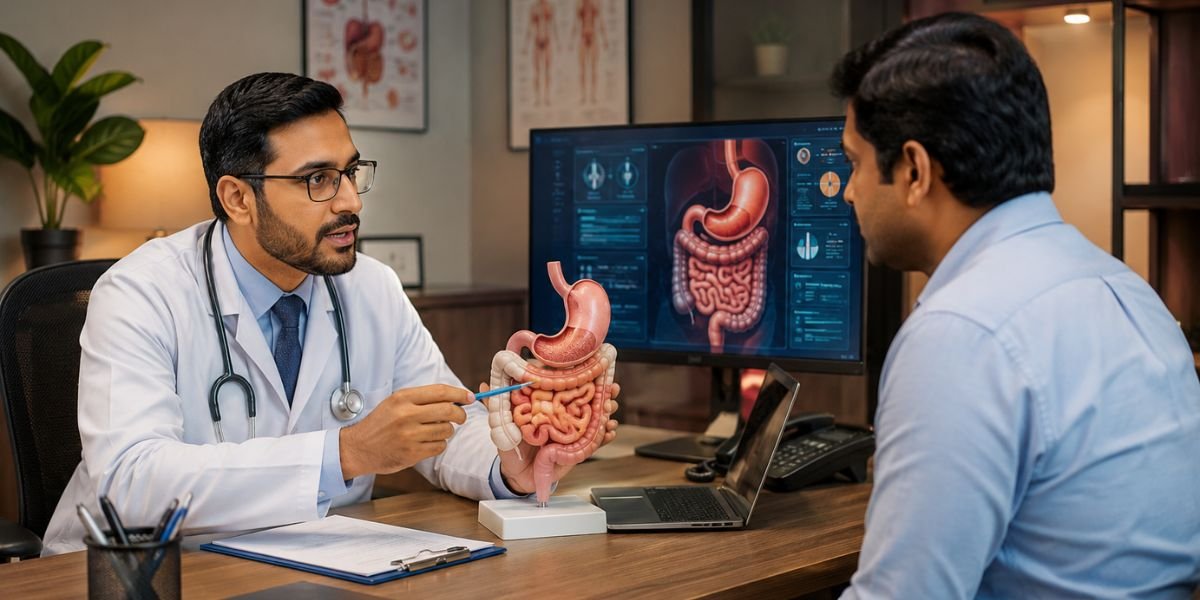
How a Stomach Specialist Diagnoses and Treats Digestive Disorders
Digestive health plays a vital role in your overall well-being. Yet, many people ignore recurring stomach discomfort, assuming it will go away on its own. Persistent symptoms such as bloating, acidity, abdominal pain, constipation, diarrhea, or unexplained weight loss can indicate an underlying digestive disorder that requires expert evaluation.
If you’re looking for a Stomach specialist in Gurgaon, understanding how digestive disorders are diagnosed and treated can help you seek timely care. Dr. Sukrit Singh Sethi, recognized by many patients as one of the Best stomach doctor in Gurgaon, focuses on identifying the root cause of digestive problems and providing personalized treatment plans that improve long-term digestive health.
Why You Shouldn’t Ignore Digestive Symptoms
Occasional stomach discomfort is common, but symptoms that persist for days or weeks should never be overlooked. Early diagnosis can prevent complications and improve treatment outcomes.
Common symptoms include:
- Frequent acidity or heartburn
- Persistent stomach pain
- Bloating after meals
- Nausea or vomiting
- Difficulty swallowing
- Chronic constipation
- Ongoing diarrhea
- Blood in stools
- Unexplained weight loss
- Loss of appetite
These symptoms may be linked to conditions ranging from simple indigestion to more complex gastrointestinal diseases.
What Does a Stomach Specialist Do?
A stomach specialist, also known as a gastroenterologist, diagnoses and treats diseases affecting the digestive system, including the:
- Esophagus
- Stomach
- Small intestine
- Large intestine (colon)
- Rectum
- Liver
- Gallbladder
- Pancreas
An experienced Stomach specialist in Gurgaon like Dr. Sukrit Singh Sethi evaluates digestive complaints comprehensively rather than simply treating symptoms.
Step 1: Understanding Your Medical History
The diagnostic process begins with a detailed discussion about your symptoms.
Your doctor may ask questions such as:
- When did the symptoms begin?
- Are they related to eating?
- Which foods make them worse?
- Do you have a family history of digestive diseases?
- Have you experienced weight loss or bleeding?
- What medications are you currently taking?
A detailed medical history often provides valuable clues before any investigations are recommended.
Step 2: Physical Examination
After discussing your symptoms, your stomach specialist performs a physical examination.
This may include checking for:
- Tenderness in the abdomen
- Swelling
- Signs of liver disease
- Dehydration
- Nutritional deficiencies
- Abnormal bowel sounds
These findings help determine the next steps in diagnosis.
Step 3: Diagnostic Tests for Digestive Disorders
Depending on your symptoms, your doctor may recommend specific investigations.
Blood Tests
Blood tests help detect:
- Infections
- Anemia
- Liver disorders
- Pancreatic diseases
- Vitamin deficiencies
- Inflammation
Stool Tests
Stool analysis can identify:
- Bacterial infections
- Parasites
- Blood in stool
- Digestive disorders
- Inflammatory bowel disease
Ultrasound
Ultrasound helps evaluate:
- Liver
- Gallbladder
- Pancreas
- Kidneys
- Abdominal organs
It is commonly used for abdominal pain and gallstones.
Endoscopy
Upper GI endoscopy allows the doctor to examine the esophagus, stomach, and upper intestine using a flexible camera.
It is commonly recommended for:
- Persistent acidity
- Gastric ulcers
- Bleeding
- Difficulty swallowing
- Chronic stomach pain
During the procedure, biopsies may also be taken if needed.
Colonoscopy
Colonoscopy examines the large intestine and rectum.
It is useful for diagnosing:
- Colon polyps
- Colorectal cancer
- Ulcerative colitis
- Crohn’s disease
- Chronic diarrhea
- Rectal bleeding
CT Scan or MRI
Advanced imaging may be advised for complex digestive conditions involving:
- Tumors
- Pancreatic disorders
- Liver disease
- Intestinal obstruction
- Severe abdominal pain
Common Digestive Disorders a Stomach Specialist Treats
Acid Reflux (GERD)
Persistent heartburn can damage the food pipe if left untreated. Treatment may include lifestyle changes, medications, and endoscopic evaluation.
Gastritis
Inflammation of the stomach lining may develop due to infections, painkillers, alcohol, or stress.
Proper diagnosis helps identify the underlying cause before treatment begins.
Peptic Ulcers
Ulcers in the stomach or small intestine often result from Helicobacter pylori infection or prolonged painkiller use.
Early treatment reduces the risk of bleeding and complications.
Irritable Bowel Syndrome (IBS)
IBS commonly causes:
- Abdominal pain
- Bloating
- Constipation
- Diarrhea
Treatment usually combines dietary guidance, stress management, and medications tailored to the patient’s symptoms.
Inflammatory Bowel Disease (IBD)
Conditions such as Crohn’s disease and ulcerative colitis require long-term medical management and regular follow-up.
Fatty Liver Disease
Often associated with obesity, diabetes, and lifestyle factors, fatty liver disease can progress silently without obvious symptoms.
Early diagnosis allows timely intervention through lifestyle modifications and medical care.
Gallbladder Disorders
Gallstones and gallbladder inflammation may cause severe pain after meals and sometimes require surgical referral.
Constipation and Chronic Diarrhea
Long-standing bowel problems should always be evaluated rather than managed with self-medication.
Personalized Treatment Plans
No two digestive disorders are exactly alike. Treatment depends on the underlying diagnosis, symptom severity, age, medical history, and lifestyle.
A treatment plan may include:
- Prescription medications
- Dietary modifications
- Lifestyle changes
- Endoscopic procedures
- Treatment for infections
- Nutritional support
- Long-term follow-up for chronic conditions
Dr. Sukrit Singh Sethi believes in treating the root cause rather than only providing temporary symptom relief.
Lifestyle Changes That Support Better Digestive Health
Along with medical treatment, healthy daily habits play an important role in maintaining digestive wellness.
Some practical tips include:
- Eat balanced meals at regular times.
- Include fiber-rich foods in your diet.
- Drink enough water throughout the day.
- Avoid excessive spicy, oily, and processed foods.
- Exercise regularly.
- Limit alcohol consumption.
- Avoid smoking.
- Manage stress through relaxation techniques.
- Get adequate sleep.
- Avoid self-medicating for recurring stomach issues.
When Should You Visit a Stomach Specialist?
You should consult a digestive expert if you experience:
- Persistent acidity despite medication
- Frequent abdominal pain
- Blood in vomit or stool
- Difficulty swallowing
- Ongoing constipation or diarrhea
- Unexplained weight loss
- Recurrent bloating
- Persistent nausea
- Family history of digestive cancers
- Symptoms lasting more than two weeks
Seeking timely medical attention can help detect serious conditions early and improve treatment outcomes.
Why Choose Dr. Sukrit Singh Sethi?
Finding the right digestive care specialist can make a significant difference in your recovery and long-term health.
Patients looking for a Stomach specialist in Gurgaon trust Dr. Sukrit Singh Sethi for his patient-focused approach, thorough evaluations, evidence-based treatment plans, and commitment to providing comprehensive care for a wide range of digestive disorders. Whether you’re dealing with chronic acidity, IBS, liver conditions, or unexplained stomach pain, he focuses on accurate diagnosis and personalized treatment tailored to your individual needs.
Conclusion
Digestive disorders can affect your comfort, nutrition, and overall quality of life. While occasional stomach problems are common, persistent symptoms should never be ignored. Modern diagnostic techniques allow early detection of digestive diseases, making treatment more effective and reducing the risk of complications.
If you’re experiencing ongoing digestive symptoms, consulting a qualified Stomach specialist in Gurgaon is the first step toward better health. With comprehensive evaluation, advanced diagnostic methods, and personalized care, Dr. Sukrit Singh Sethi, regarded by many as the Best stomach doctor in Gurgaon, helps patients identify the cause of their digestive concerns and achieve lasting relief through evidence-based treatment.
Frequently Asked Questions (FAQs)
1. When should I see a stomach specialist?
If you have persistent acidity, abdominal pain, bloating, constipation, diarrhea, or blood in your stool, it’s advisable to consult a stomach specialist.
2. What tests are commonly used to diagnose digestive disorders?
Depending on your symptoms, your doctor may recommend blood tests, stool tests, ultrasound, endoscopy, colonoscopy, CT scan, or MRI.
3. Can digestive disorders be treated without surgery?
Yes. Many digestive conditions can be managed with medications, dietary changes, lifestyle modifications, and minimally invasive procedures. Surgery is only recommended when necessary.
4. Is chronic acidity a serious condition?
Frequent or untreated acid reflux can lead to complications such as esophagitis or ulcers. Persistent symptoms should be evaluated by a specialist.
5. Why is early diagnosis important for digestive disorders?
Early diagnosis allows prompt treatment, helps prevent complications, and improves the chances of successful long-term management of digestive diseases.