
What Does an Endoscopy Doctor Do? Everything You Need to Know
Digestive health plays a vital role in your overall well-being. Yet, many people ignore symptoms such as persistent acidity, stomach pain, bloating, difficulty swallowing, or unexplained weight loss until they become severe. When these symptoms continue, your doctor may recommend seeing an Endoscopy doctor in Gurgaon to identify the underlying cause.
An endoscopy is one of the safest and most effective diagnostic procedures available today. It allows doctors to examine the digestive tract without major surgery, helping detect conditions early and begin treatment sooner.
If you’re looking for an experienced Endoscopy doctor in Gurgaon, Dr. Sukrit Singh Sethi provides expert evaluation and advanced endoscopic care, ensuring patients receive accurate diagnoses with comfort and safety.
What Is an Endoscopy?
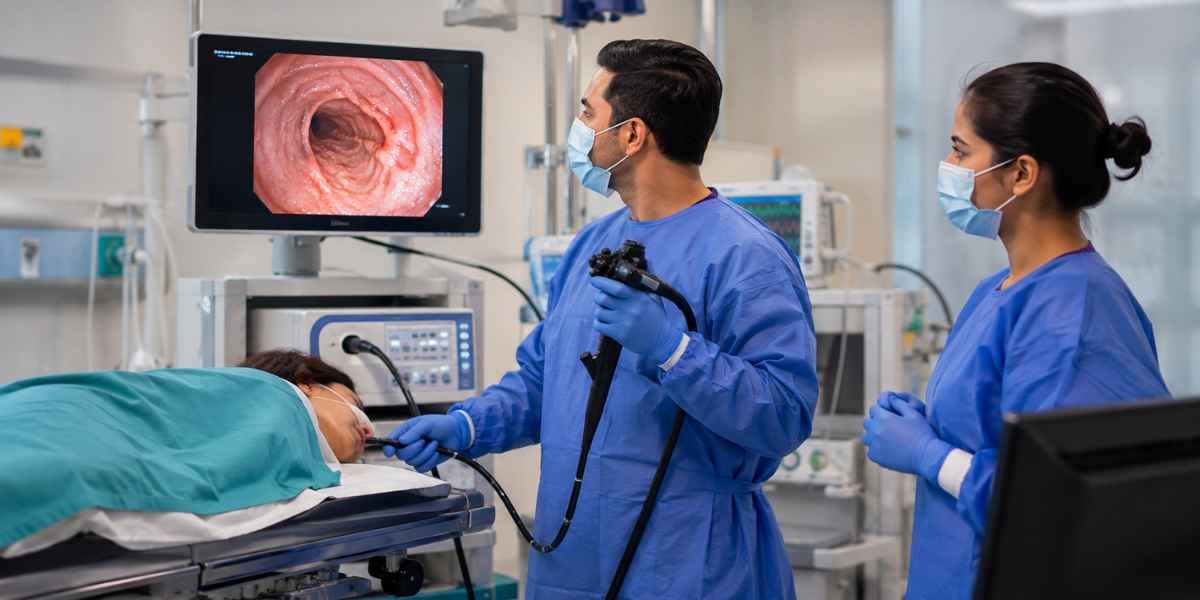
An endoscopy is a minimally invasive procedure that allows a doctor to examine the inside of your digestive tract using a thin, flexible tube called an endoscope. The tube has a tiny camera and light at its tip, sending high-definition images to a monitor in real time.
This procedure helps diagnose problems affecting the:
- Food pipe (esophagus)
- Stomach
- Small intestine
- Colon and rectum (depending on the type of endoscopy)
Because the procedure provides a direct view of the digestive system, it often identifies conditions that blood tests or imaging scans may miss.
What Does an Endoscopy Doctor Do?
An Endoscopy doctor in Gurgaon specializes in diagnosing and, in many cases, treating disorders of the digestive tract using endoscopic procedures.
Their responsibilities include:
Diagnosing Digestive Disorders
An endoscopy doctor investigates symptoms such as:
- Persistent abdominal pain
- Chronic acidity or heartburn
- Difficulty swallowing
- Nausea and vomiting
- Gastrointestinal bleeding
- Chronic diarrhea
- Unexplained weight loss
- Persistent bloating
Early diagnosis often prevents complications and allows treatment before conditions become more serious.
Detecting Serious Diseases Early
Endoscopy helps identify conditions including:
- Gastric ulcers
- Acid reflux disease (GERD)
- Gastritis
- Barrett’s esophagus
- Polyps
- Inflammatory bowel disease
- Celiac disease
- Stomach cancer
- Esophageal cancer
- Colon cancer
Early detection significantly improves treatment outcomes.
Taking Biopsies
During the procedure, the doctor may collect tiny tissue samples for laboratory analysis.
A biopsy helps diagnose:
- Infections
- Inflammation
- Precancerous changes
- Cancer
- Autoimmune conditions
The process is painless because the digestive lining contains very few pain-sensitive nerves.
Performing Certain Treatments
Modern endoscopy is not limited to diagnosis.
An experienced endoscopy specialist can also:
- Remove polyps
- Stop internal bleeding
- Dilate narrowed areas of the digestive tract
- Remove certain foreign objects
- Treat early-stage gastrointestinal conditions without surgery
When Should You See an Endoscopy Doctor?
Many digestive symptoms should not be ignored, especially when they continue despite medication.
Consult an Endoscopy doctor in Gurgaon if you experience:
- Frequent acidity or heartburn
- Difficulty swallowing
- Persistent stomach pain
- Vomiting blood
- Black stools
- Blood in stools
- Unexplained anemia
- Unintentional weight loss
- Long-term indigestion
- Family history of digestive cancers
Seeking medical advice early often leads to quicker treatment and better outcomes.
How Is an Endoscopy Performed?
Many people worry about the procedure, but endoscopy is generally quick, safe, and comfortable.
The process usually involves:
- Reviewing your medical history.
- Giving mild sedation or local anesthesia if required.
- Gently inserting the endoscope through the mouth (upper GI endoscopy) or rectum (colonoscopy).
- Carefully examining the digestive tract.
- Taking biopsies or performing treatment if needed.
- Observing you briefly before discharge.
Most procedures take between 15 and 30 minutes, and patients can usually return home the same day.
Is Endoscopy Painful?
This is one of the most common concerns.
In most cases, patients experience little to no pain. Mild sedation helps you remain relaxed and comfortable throughout the procedure.
Some people may notice temporary bloating, mild throat discomfort, or slight gas after the procedure, but these symptoms typically resolve within a few hours.
Benefits of Early Endoscopy
Early diagnosis can prevent many digestive diseases from becoming more complicated.
Benefits include:
- Accurate diagnosis
- Early detection of cancer
- Avoiding unnecessary surgery
- Faster treatment planning
- Better long-term outcomes
- Relief from persistent digestive symptoms
- Improved quality of life
Why Experience Matters
Choosing an experienced specialist makes a significant difference in both diagnosis and patient comfort.
Dr. Sukrit Singh Sethi combines clinical expertise with modern endoscopic technology to provide comprehensive digestive care. Patients receive individualized attention, clear explanations, and evidence-based treatment plans tailored to their specific needs.
Whether you require evaluation for chronic digestive symptoms or preventive screening, consulting an experienced Endoscopy doctor in Gurgaon can help ensure accurate diagnosis and timely care.
Tips Before Your Endoscopy
Your doctor will provide detailed instructions based on the procedure.
Common recommendations include:
- Avoid eating for several hours before the test.
- Inform your doctor about all medications.
- Mention any allergies or existing medical conditions.
- Arrange for someone to accompany you home if sedation is used.
- Follow all preparation instructions carefully for the most accurate results.
Proper preparation helps improve the quality and accuracy of the examination.
Frequently Asked Questions
Is endoscopy safe?
Yes. Endoscopy is considered a safe procedure when performed by an experienced specialist. Serious complications are uncommon.
How long does recovery take?
Most patients recover within a few hours. If sedation is given, you should avoid driving or operating machinery for the remainder of the day.
Can an endoscopy detect cancer?
Yes. Endoscopy can identify suspicious areas and allow biopsies, making it one of the most effective methods for detecting gastrointestinal cancers early.
Will I need anesthesia?
Most upper GI endoscopies are performed using local throat anesthesia and mild sedation, depending on your condition and the doctor’s recommendation.
When should I consult an endoscopy doctor?
If digestive symptoms persist for more than two weeks, recur frequently, or include warning signs such as bleeding, weight loss, or difficulty swallowing, you should seek medical evaluation promptly.
Conclusion
Digestive symptoms are your body’s way of telling you that something may need attention. While occasional discomfort can happen, persistent problems should never be ignored. An endoscopy offers a safe, accurate, and minimally invasive way to identify the cause of many gastrointestinal conditions before they become more serious.
If you’re searching for an experienced Endoscopy doctor in Gurgaon, Dr. Sukrit Singh Sethi provides expert endoscopic evaluation with a patient-first approach, helping individuals receive timely diagnosis, effective treatment, and peace of mind. Early consultation can make a significant difference in protecting your digestive health and overall well-being.