
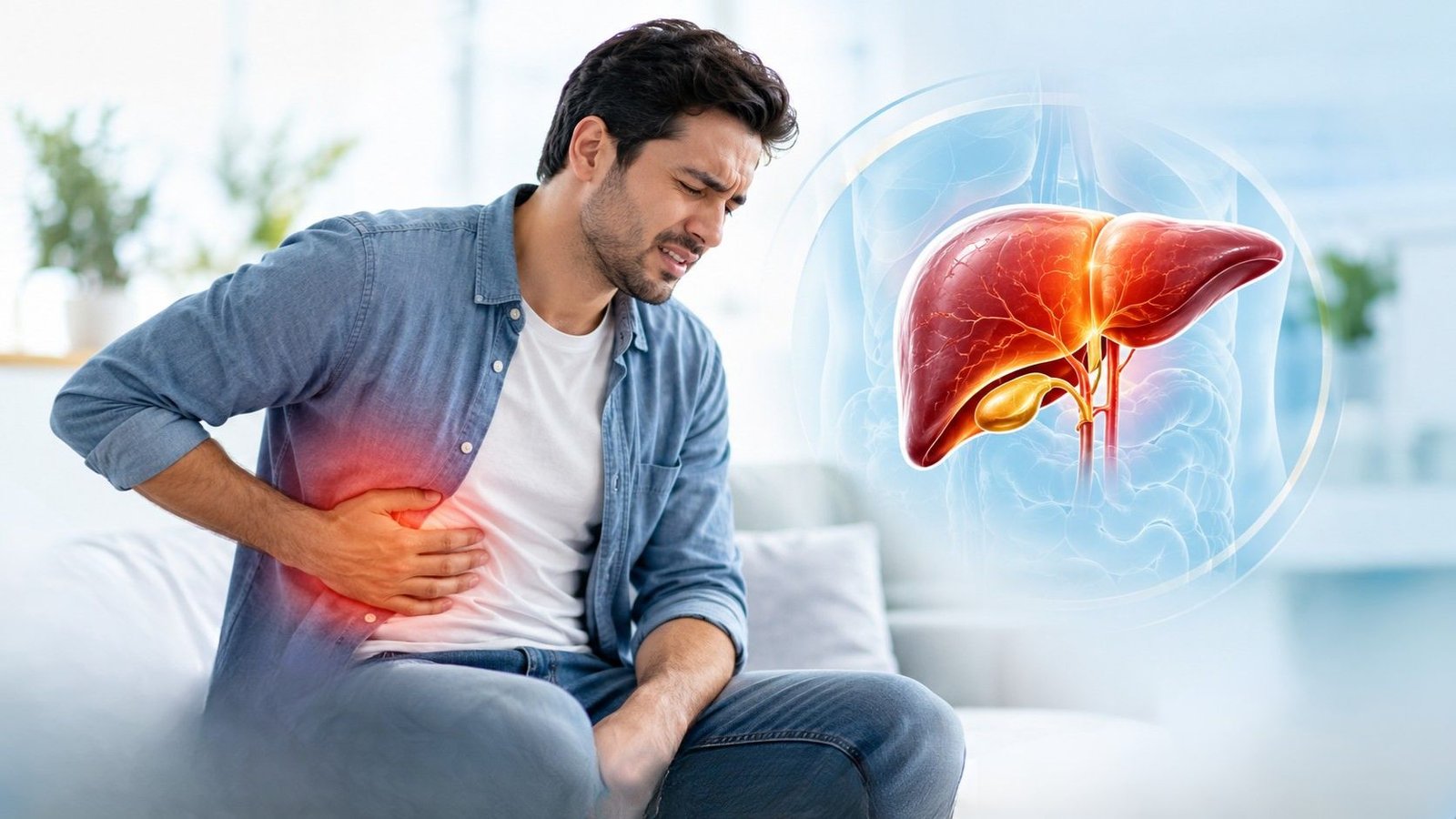
Why Should You Never Ignore Persistent Liver-Related Symptoms?
Your liver plays a vital role in keeping your body healthy. It helps digest fats, processes nutrients, filters harmful substances from the blood, stores energy, and produces essential proteins. Despite its importance, liver health is often overlooked because many liver conditions develop gradually and may not cause noticeable symptoms in their early stages.
However, persistent symptoms such as abdominal discomfort, unexplained fatigue, yellowing of the eyes, dark urine, or swelling in the abdomen should never be ignored. These signs may indicate an underlying liver problem that requires medical evaluation.
Recognizing warning signs early and seeking timely medical advice can help identify potential liver conditions before they become more serious. If you are experiencing ongoing symptoms, consulting a Liver specialist in Gurgaon can help you understand their possible causes and determine the appropriate next steps.
At Gutwell Clinic, the focus is on helping patients understand digestive and liver-related concerns and the importance of seeking professional medical guidance when symptoms persist.
What Are Persistent Liver-Related Symptoms?
Persistent liver-related symptoms are physical changes or health complaints that continue, recur frequently, or gradually become worse over time and may be associated with a liver condition.
The liver can sometimes continue functioning despite early damage, which means a person may not experience obvious symptoms initially. When symptoms do appear, they can range from mild digestive discomfort to visible changes in the skin, eyes, urine, or abdomen.
Common symptoms that deserve medical attention include:
- Persistent tiredness or weakness without an obvious explanation
- Yellowing of the skin or whites of the eyes
- Dark-colored urine or unusually pale stools
- Ongoing discomfort in the upper-right abdomen
- Loss of appetite or unexplained weight loss
- Nausea or recurring digestive problems
- Itching without an obvious skin-related cause
- Swelling in the abdomen or legs
- Easy bruising or unusual bleeding
These symptoms do not always indicate liver disease. However, if they persist or occur together, a medical assessment is important to identify the underlying cause.
Why Should You Never Ignore Persistent Liver-Related Symptoms?
Ignoring ongoing symptoms can delay the diagnosis of conditions that may benefit from early treatment. Although some liver problems are temporary or manageable, others can progress silently and cause lasting damage if left untreated.
Here are the key reasons to take persistent liver-related symptoms seriously.
1. Liver Diseases May Develop Without Obvious Warning Signs
Many liver conditions, including fatty liver disease, chronic hepatitis, and early-stage liver scarring, may cause few or no noticeable symptoms.
A person may feel generally healthy while liver inflammation or damage continues. When symptoms finally appear, the condition may already require more extensive evaluation and management.
Persistent fatigue, unexplained digestive discomfort, or abnormal liver blood test results should therefore not be dismissed simply because they do not interfere significantly with daily activities.
A timely consultation with a qualified liver specialist can help determine whether further testing is necessary.
2. Early Diagnosis Can Help Prevent Further Liver Damage
The liver has a remarkable ability to repair itself in many circumstances, particularly when the underlying cause of injury is addressed early. However, advanced scarring and certain complications may be difficult or impossible to reverse completely.
Identifying the cause of liver problems can help doctors recommend appropriate treatment, lifestyle modifications, or monitoring.
For example, managing metabolic risk factors associated with fatty liver disease, treating certain viral infections, or reviewing medications that may affect the liver can help reduce the risk of further injury.
The right treatment depends on the specific diagnosis, the degree of liver damage, and the patient’s overall health.
3. Persistent Symptoms May Indicate Fatty Liver Disease
Fatty liver disease involves an excessive accumulation of fat in the liver. Metabolic dysfunction-associated steatotic liver disease (MASLD), previously commonly called non-alcoholic fatty liver disease, is associated with factors such as obesity, insulin resistance, type 2 diabetes, and abnormal cholesterol levels.
Many people with fatty liver disease experience no clear symptoms. Others may report fatigue or vague discomfort in the upper-right abdomen.
In some individuals, the condition can progress to inflammation, fibrosis, cirrhosis, or other complications.
Early assessment is particularly important for people with diabetes, excess abdominal weight, high cholesterol, or a history of abnormal liver function tests. A healthcare professional can help determine whether further evaluation is appropriate.
4. Yellowing of the Eyes or Skin Can Signal a Serious Problem
Jaundice is the yellowing of the skin or whites of the eyes caused by elevated bilirubin levels. It can occur when the liver cannot process bilirubin effectively or when bile flow is obstructed.
Possible causes include hepatitis, liver injury, gallstones, bile duct obstruction, and certain blood disorders.
Jaundice should never be ignored, especially when accompanied by dark urine, pale stools, abdominal pain, fever, or significant weakness.
Newly developed jaundice requires urgent medical assessment. It is not a symptom to manage through home remedies or dietary changes alone.
5. Untreated Liver Conditions Can Lead to Serious Complications
Some chronic liver diseases can progress over time and cause complications such as:
- Fibrosis: The development of scar tissue within the liver.
- Cirrhosis: Advanced scarring that interferes with normal liver function.
- Ascites: A buildup of fluid in the abdomen.
- Portal hypertension: Increased pressure in the blood vessels supplying the liver.
- Bleeding complications: Problems related to impaired clotting or enlarged blood vessels.
- Hepatic encephalopathy: Changes in brain function associated with severe liver dysfunction.
Not every liver condition progresses to these complications. However, recognizing symptoms and obtaining an accurate diagnosis can help doctors identify risks and plan appropriate care.
6. Liver Problems Can Affect Your Overall Health
The liver supports many essential processes, including protein production, nutrient metabolism, bile production, and the processing of medications and other substances.
When liver function becomes significantly impaired, the effects can extend beyond the digestive system. Patients may experience nutritional problems, fluid retention, increased bleeding risk, or changes in concentration and alertness.
Persistent symptoms should therefore be considered in the context of your overall health rather than treated as isolated digestive complaints.
What Are the Early Warning Signs of Liver Disease?
Understanding common warning signs can help you recognize when medical advice may be needed.
Persistent Fatigue and Weakness
Feeling tired occasionally is normal. However, unexplained fatigue that continues despite adequate sleep and rest deserves attention, particularly when accompanied by other symptoms or abnormal blood tests.
Fatigue has many possible causes, including anemia, thyroid disorders, sleep problems, and infections. A doctor can help determine whether liver disease is a possible explanation.
Pain or Discomfort in the Upper-Right Abdomen
The liver is located in the upper-right part of the abdomen, beneath the rib cage. Some liver conditions may cause discomfort in this area, although many people with liver disease have no pain.
Gallbladder problems, digestive disorders, muscle strain, and other conditions can produce similar symptoms. Persistent or worsening discomfort should be evaluated rather than self-diagnosed.
Dark Urine and Pale Stools
Dark urine may occur when bilirubin levels rise, while pale or clay-colored stools can indicate reduced bile reaching the intestine.
These changes can be associated with liver or bile duct conditions and should receive prompt medical attention, especially when accompanied by jaundice, itching, or abdominal pain.
Swelling in the Abdomen or Legs
Fluid accumulation in the abdomen or lower limbs can occur in advanced liver disease. It may also result from heart, kidney, or other medical conditions.
New or unexplained swelling warrants medical evaluation. Rapidly increasing abdominal swelling or swelling accompanied by breathing difficulties requires urgent care.
Unexplained Weight Loss or Loss of Appetite
A persistent reduction in appetite or unintentional weight loss may occur with several illnesses, including some liver conditions.
If these changes continue without a clear explanation, consult a healthcare professional rather than relying on supplements or restrictive diets.
What Causes Persistent Liver-Related Symptoms?
Liver-related symptoms can develop for several reasons. Identifying the underlying cause is essential because different conditions require different approaches to treatment.
Common causes include:
- Fatty liver disease: Fat accumulation in the liver may be associated with obesity, insulin resistance, diabetes, and metabolic abnormalities.
- Viral hepatitis: Hepatitis viruses, particularly hepatitis B and C, can cause liver inflammation and, in some cases, chronic liver damage.
- Alcohol-related liver disease: Repeated or excessive alcohol exposure can cause fat accumulation, inflammation, fibrosis, and cirrhosis.
- Medication-related liver injury: Certain prescription medicines, over-the-counter drugs, and herbal or dietary supplements can damage the liver in susceptible individuals.
- Gallbladder and bile duct disorders: Gallstones or other obstructions can interfere with bile flow and cause jaundice, abdominal pain, or changes in urine and stool color.
- Autoimmune and inherited conditions: Certain immune-related diseases and genetic disorders can affect liver function.
Because these conditions may cause overlapping symptoms, a proper medical assessment is more reliable than attempting to identify the cause based on symptoms alone.
How Is Liver Disease Diagnosed?
A doctor may recommend one or more tests based on your symptoms, medical history, physical examination, and risk factors.
Medical History and Physical Examination
Your doctor may ask about the duration of your symptoms, medications and supplements, alcohol consumption, family history, metabolic conditions, and previous liver test results.
A physical examination may help identify jaundice, abdominal tenderness, swelling, or other findings that require further investigation.
Liver Function and Blood Tests
Blood tests can provide useful information about liver injury and function. Depending on the situation, testing may include:
- ALT and AST to assess patterns of liver cell injury
- Alkaline phosphatase and GGT to help evaluate possible bile duct-related problems
- Bilirubin to assess its processing and excretion
- Albumin and prothrombin time or INR to assess aspects of liver function and blood clotting
- Viral hepatitis tests or other targeted investigations when indicated
No single blood test can diagnose every liver condition. Results need to be interpreted alongside symptoms, examination findings, and other investigations.
Ultrasound and Other Imaging Tests
An abdominal ultrasound may help identify fat accumulation, structural changes, gallstones, bile duct dilation, or fluid buildup.
Depending on the suspected condition, a doctor may recommend additional imaging, elastography to assess liver stiffness, or other specialized tests.
Additional Investigations
Some patients may need tests for autoimmune liver disease, inherited metabolic disorders, or other specific conditions. A liver biopsy may be considered when the diagnosis remains uncertain or when tissue examination would help guide management.
Not everyone requires every test. Investigations should be selected according to the individual’s clinical needs.
When Should You Consult a Liver Specialist in Gurgaon?
You should arrange a medical consultation if you experience persistent or recurring symptoms that may be related to liver health.
Consider seeking professional advice if you have:
- Repeated abnormal liver blood test results
- Ongoing fatigue accompanied by other unexplained symptoms
- Persistent upper-right abdominal discomfort
- Unexplained itching or changes in urine or stool color
- A history of hepatitis or significant liver disease
- Diabetes, obesity, or other metabolic risk factors alongside concerns about liver health
- A family history of certain inherited liver disorders
A Liver specialist in Gurgaon can help assess your symptoms, review relevant test results, identify possible causes, and determine whether you need specialist investigations or ongoing management.
When choosing a specialist, look for appropriate qualifications, experience in managing liver conditions, clear communication, and a treatment approach based on established medical evidence.
At Gutwell Clinic, patients can seek medical guidance for persistent digestive and liver-related concerns and discuss the appropriate next steps for their individual situation.
How Can You Protect Your Liver Health?
Healthy habits can support liver health and reduce the risk of certain liver conditions. However, lifestyle changes should complement medical care rather than replace it when symptoms are present.
Maintain a Healthy Weight
For people with overweight or obesity, gradual and sustainable weight loss may help reduce liver fat and improve metabolic health. Avoid crash diets or extreme weight-loss programs.
Follow a Balanced Diet
Choose a varied diet containing vegetables, fruits, whole grains, legumes, and appropriate sources of protein. Limit excess added sugar, sugary drinks, and highly processed foods.
Your dietary needs may vary depending on your medical condition, nutritional status, and treatment plan.
Exercise Regularly
Regular physical activity supports metabolic health and may improve liver fat levels, even when substantial weight loss does not occur.
Choose activities that suit your fitness level and medical needs, and increase activity gradually.
Avoid Alcohol if You Have Liver Disease
Alcohol can worsen several liver conditions. If you have diagnosed liver disease or unexplained liver abnormalities, discuss alcohol use with your doctor. Avoiding alcohol is the safest approach for many people with liver disease.
Be Careful With Medicines and Supplements
Some medicines and herbal products can cause liver injury, particularly when taken in excessive doses or combined inappropriately.
Never exceed recommended medication doses, and do not assume that a product is safe simply because it is labelled natural. Ask a healthcare professional before starting supplements or changing prescribed treatment.
Stay Up to Date With Hepatitis Prevention
Hepatitis A and B vaccines are available, while hepatitis C can often be cured with appropriate antiviral treatment. Vaccination recommendations and testing needs depend on your health status, exposure risks, and previous vaccination history.
Discuss suitable prevention and screening measures with your healthcare professional.
Attend Recommended Follow-Up Appointments
If you have a diagnosed liver condition or previously abnormal test results, follow the monitoring schedule recommended by your doctor. Regular follow-up can help identify changes and determine whether your management plan needs adjustment.
Why Choose Gutwell Clinic for Liver-Related Concerns?
When symptoms persist, understanding the next steps can be just as important as recognizing the symptoms themselves.
Gutwell Clinic encourages patients to take ongoing digestive and liver-related concerns seriously and seek appropriate medical guidance. A patient-focused approach should include understanding the patient’s symptoms, reviewing relevant medical history and investigations, explaining possible causes, and discussing suitable diagnostic and management options.
If you are looking for a Liver specialist in Gurgaon, seek an appropriate medical evaluation rather than delaying care or relying on unverified remedies.
The most suitable treatment plan depends on the diagnosis, the severity of the condition, and your individual health needs.
Frequently Asked Questions (FAQs)
1. What are the first signs of liver problems?
Early liver disease may cause no noticeable symptoms. When symptoms occur, they may include fatigue, reduced appetite, nausea, abdominal discomfort, itching, or changes in urine or stool color. Yellowing of the eyes or skin requires urgent medical assessment.
2. Can liver disease occur without pain?
Yes. Many liver conditions, including fatty liver disease and chronic hepatitis, may develop without obvious pain. The absence of discomfort does not rule out liver disease.
3. When should I see a liver specialist in Gurgaon?
Consider consulting a qualified specialist if you have persistent or recurring symptoms, repeated abnormal liver tests, a history of hepatitis, or risk factors associated with liver disease. New jaundice requires urgent medical evaluation.
4. Are abnormal liver function tests always a sign of serious disease?
No. Abnormal results can occur for many reasons, including temporary illness, medication effects, and metabolic conditions. However, they should be interpreted by a healthcare professional, particularly if abnormalities persist or are significant.
5. Can fatty liver disease be reversed?
Fat accumulation and early changes related to fatty liver disease can often improve with appropriate lifestyle changes and management of associated conditions. Advanced fibrosis or cirrhosis may not be fully reversible, so early evaluation and ongoing care are important.
6. Which tests are used to diagnose liver disease?
Depending on your symptoms, a doctor may recommend blood tests, an abdominal ultrasound, viral hepatitis testing, elastography, or additional investigations. The appropriate tests depend on the suspected condition.
7. Can home remedies treat liver problems?
Home remedies and detox products cannot reliably diagnose or treat liver disease. Some supplements may actually cause liver injury. Evidence-based medical assessment and treatment are safer options when symptoms persist.
8. Is jaundice always caused by liver disease?
No. Jaundice can also result from bile duct obstruction, gallstones, or certain blood disorders. Because the causes vary and some require urgent treatment, new jaundice should be assessed promptly.
Conclusion: Do Not Delay When Your Liver Signals a Problem
Persistent liver-related symptoms deserve attention, even when they initially seem mild. Fatigue, abdominal discomfort, jaundice, dark urine, pale stools, unexplained itching, and abdominal swelling can have several causes, but some may indicate a liver or bile duct condition that needs timely treatment.
Early evaluation can help identify the cause, assess the extent of any damage, and guide appropriate care. Do not self-diagnose or depend on unverified detox products when symptoms continue.
If you are concerned about ongoing liver-related symptoms, consult a qualified Liver specialist in Gurgaon for an individualized medical assessment.
Gutwell Clinic encourages patients to prioritize their liver health, recognize warning signs, and seek professional medical guidance without unnecessary delay.