
How Can Healthy Eating Habits Improve Your Overall Health This National Nutrition Week?
We often hear that we should “eat healthy,” but what does that really mean?
Healthy eating is not about following a strict diet, skipping meals, or completely giving up the foods you enjoy. It is about making better food choices most of the time and giving your body the nutrition it needs to stay healthy.
This National Nutrition Week is a good opportunity to look at our everyday eating habits and understand how small changes can make a real difference to our health.
At Gutwell, Dr. Sukrit Singh Sethi believes that good nutrition is an important part of taking care of the digestive system and overall health. The food we eat affects much more than our weight—it can influence digestion, energy levels, metabolism, immunity, and long-term well-being.
What Do Healthy Eating Habits Actually Mean?
Healthy eating does not have to be complicated.
In simple terms, it means eating a variety of foods that provide your body with essential nutrients while avoiding too much sugar, salt, unhealthy fats, and heavily processed food.
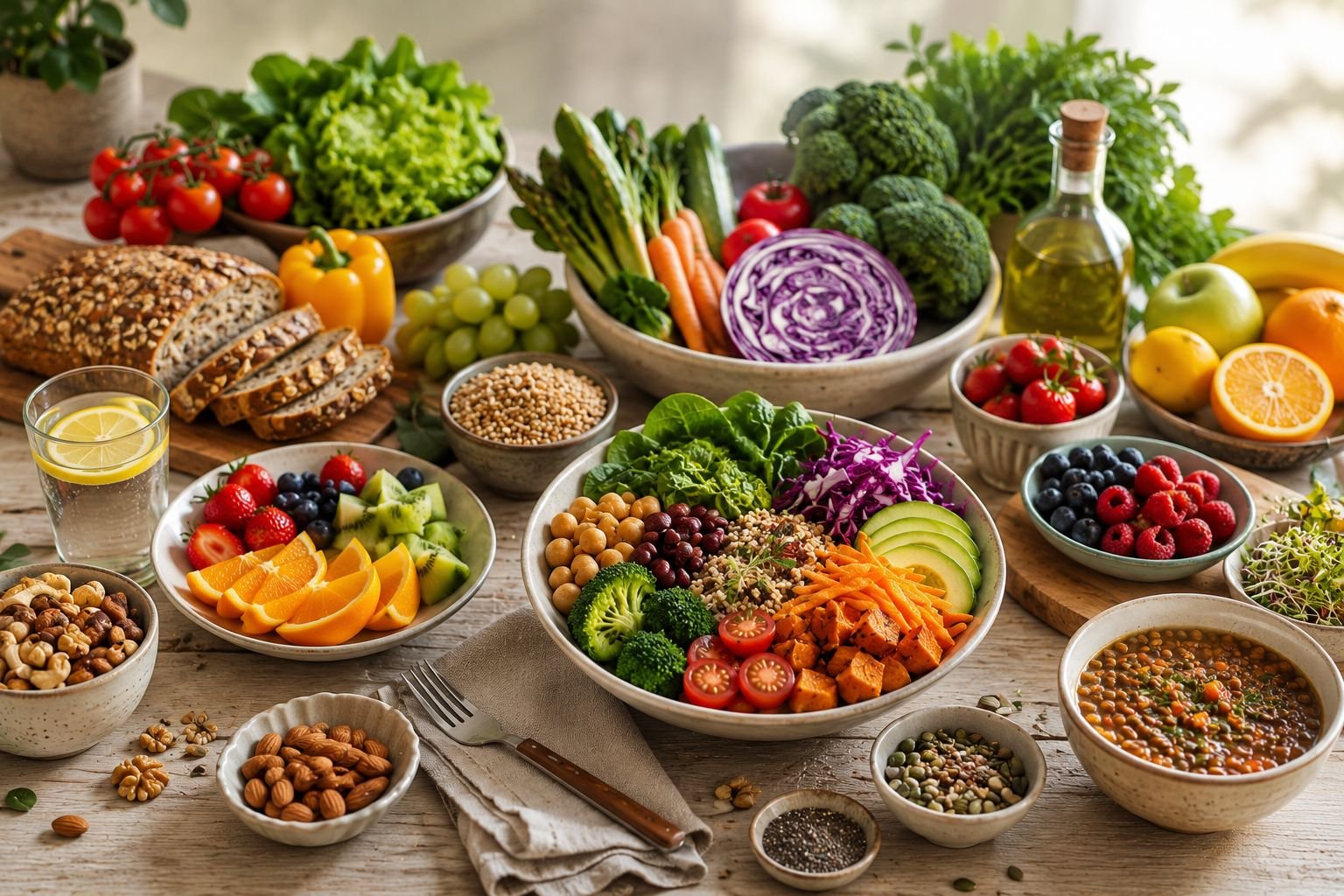
A healthy daily diet can include vegetables, fruits, whole grains, pulses, nuts, seeds, protein-rich foods, and enough water.
It is also important to remember that everyone’s nutritional needs are different. Age, lifestyle, activity level, medical conditions, and even digestive problems can affect what works best for a person.
How Can Healthy Eating Improve Your Health?
1. Better Digestion
Your digestive system has to deal with everything you eat. When your diet contains enough fibre from vegetables, fruits, whole grains, and pulses, it can support healthy bowel movements and regular digestion.
On the other hand, eating too much fried, processed, or very heavy food may leave some people feeling uncomfortable, bloated, or sluggish.
Drinking enough water and including fibre-rich foods in your meals can be simple but helpful steps towards better digestive health.
If you regularly experience acidity, constipation, bloating, abdominal discomfort, or indigestion, it is important not to ignore these symptoms. Sometimes they can point to an underlying digestive problem that needs medical attention.
2. More Energy Throughout the Day
Food is the body’s fuel.
When meals are balanced, you are more likely to get a steady supply of energy instead of depending on sugary snacks or drinks for a quick boost.
A meal containing whole grains, vegetables, protein, and healthy fats can keep you satisfied for longer and may help avoid the tired feeling that often follows heavy or unbalanced meals.
3. Healthy Weight Management
Healthy eating can make weight management easier, but it is not simply about eating fewer calories.
The quality of the food you eat matters too.
For example, replacing sugary drinks with water, adding more vegetables to meals, choosing whole grains, and being mindful of portion sizes can make a meaningful difference over time.
There is also no need to follow extreme diets to stay healthy. A diet that is too restrictive may be difficult to maintain and can make healthy eating feel stressful.
A sustainable approach is usually much more practical.
4. Supports Heart Health
What we eat can also affect heart health.
A diet that includes plenty of vegetables, fruits, whole grains, pulses, nuts, and healthier sources of fat can be a positive choice for the heart. At the same time, it is sensible to limit foods that are very high in salt, added sugar, and unhealthy fats.
For many people, even small changes-such as reducing packaged snacks or cooking more meals at home-can improve the overall quality of their diet.
5. Helps Support Blood Sugar Levels
Our food choices can have an important role in blood sugar management.
Meals based around fibre-rich foods, vegetables, whole grains, and appropriate protein can be a better choice than frequently consuming sugary drinks, sweets, and highly processed foods.
People living with diabetes or other metabolic conditions should remember that a general diet plan may not suit everyone. Personalised dietary advice can be much more useful in such cases.
6. Gives Your Body Important Nutrients
Your body needs vitamins, minerals, protein, fibre, healthy fats, and other nutrients to perform everyday functions.
No single food can provide everything your body needs.
That is why variety is so important.
Instead of eating the same few foods every day, try adding different vegetables, fruits, grains, pulses, nuts, and protein sources to your meals. A colourful and varied plate is often a simple sign that you are giving your body a wider range of nutrients.
7. Supports Long-Term Health
Healthy eating is not just about feeling good today.
Over time, consistently poor eating habits can contribute to health problems such as obesity, high blood pressure, diabetes, and cardiovascular disease. Making healthier food choices can be one part of reducing these risks.
Of course, food is only one part of the picture. Regular physical activity, good sleep, stress management, and routine medical care matter too.
What Should You Add to Your Daily Diet?
A healthy plate does not need to look fancy.
Try to include:
Vegetables and fruits: Add different colours and varieties to your meals.
Whole grains: Oats, whole wheat, brown rice, and millets can be useful choices.
Pulses and legumes: Dal, beans, chickpeas, and rajma are nutritious and versatile.
Protein: Depending on your diet and health needs, this could include eggs, dairy, fish, chicken, soy, or other plant-based sources.
Nuts and seeds: Almonds, walnuts, peanuts, chia seeds, and flaxseeds can be included in sensible portions.
Water: Staying hydrated is just as important as choosing nutritious food.
What Foods Should You Eat Less Often?
Healthy eating does not mean labelling foods as completely “good” or “bad.” However, some foods are better kept as occasional choices rather than everyday staples.
These include:
- Sugary drinks
- Excess sweets and desserts
- Deep-fried foods
- Highly processed snacks
- Foods very high in salt
- Foods containing large amounts of unhealthy fats
The goal is balance, not perfection.
Can Small Changes Really Make a Difference?
Yes.
You do not need to change your entire diet from one day to the next.
Start with realistic changes. Drink more water. Add a serving of vegetables to lunch and dinner. Choose fruit when you want a snack. Cut down on sugary drinks. Reduce how often you order heavily fried food.
These may seem like small steps, but when you repeat them regularly, they become habits.
And habits are what matter most in the long run.
When Should You Talk to a Doctor About Your Diet?
Sometimes healthy eating alone is not enough.
If you have ongoing digestive symptoms, unexplained weight changes, diabetes, fatty liver disease, food-related problems, or other health concerns, it is better to get professional advice instead of trying random diets found online.
At Gutwell, Dr. Sukrit Singh Sethi can help patients understand their digestive and overall health concerns and guide them towards an approach that suits their individual needs.
Frequently Asked Questions
What is the main purpose of National Nutrition Week?
National Nutrition Week encourages people to understand the importance of proper nutrition and make healthier food choices in their daily lives.
Can healthy eating improve digestion?
Yes. A balanced diet with adequate fibre and fluids can support normal digestion and bowel function. However, persistent digestive symptoms should be evaluated by a healthcare professional.
Is healthy eating only important for weight loss?
No. Healthy eating supports many areas of health, including digestion, heart health, blood sugar management, energy, immunity, and long-term well-being.
Do I need to stop eating my favourite foods?
Not necessarily. Healthy eating is about balance. Your favourite foods can still fit into a healthy lifestyle when eaten occasionally and in appropriate portions.
How can I start eating healthier?
Start small. Add more vegetables and fruits, choose whole grains more often, drink enough water, watch portion sizes, and reduce your intake of highly processed and sugary foods.
Final Thoughts
National Nutrition Week is a reminder that taking care of your health starts with everyday choices.
You do not need a perfect diet. You need a diet that is balanced, practical, and realistic enough to follow for years-not just for a few weeks.
Pay attention to what you eat, listen to your body, and do not ignore symptoms that keep coming back.
With the right guidance from Dr. Sukrit Singh Sethiat Gutwell, understanding the connection between food, digestion, and overall health can become much easier.